
Larimer County
COGenWeb

 Larimer County COGenWeb is a free genealogical site about the history of the Colorado county.
It is a member of COGenWeb,
which is a member of USGenWeb®.
We hope you find helpful clues for your research of Larimer County ancestors.
Larimer County COGenWeb is a free genealogical site about the history of the Colorado county.
It is a member of COGenWeb,
which is a member of USGenWeb®.
We hope you find helpful clues for your research of Larimer County ancestors.
Are you familiar with the area? Do you have a family tree connection to the area? Please consider contributing your pieces of Larimer County family history. Corrections, updates, and additions to this site are always welcome. Our combined efforts can make this a great site for all who visit!
Co-County Coordinator: YOU? We are looking for a volunteer who has a sincere interest in the genealogy of Larimer County and is willing to help others along their family history journey. If you are interested, please don't hesitate to contact me.
County Coordinator: Norma Hass normahass01@gmail.com
Larimer county was created in Sep 1861, one of the seventeen original Colorado counties. It was named in honor of General William Larimer, a Colorado pioneer. Larimer County was founded by farmers. Growth in the county was spurred by the arrival of the Colorado Central Railroad in 1876. At the turn of the 20th century, the cultivation of sugar beets and the operation of feed lots became the primary agricultural enterprises. Larimer County has some of the finest irrigated farmland in the state.
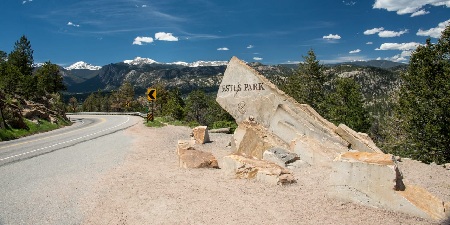
About half of the county is publicly owned land, including Roosevelt National Forest, Rocky Mountain National Park, Colorado State Parks and Recreation Area, Larimer County Parks, and city parks. There are vast stretches of scenic ranch lands, forests, and high mountain peaks. The county extends to the Continental Divide.
Fort Collins is the county seat. The first known white settler was Antoine Janis, who established a claim on the Cache La Poudre River near the present site of LaPorte in 1844. A military camp was established at LaPorte in 1862 and moved to the current site of Fort Collins after floods in 1864 nearly wiped out the camp. More than half the people of Larimer County live in Fort Collins or Loveland. In 1879 of the Colorado Agricultural College, which is now known as Colorado State University, located in Fort Collins.
Copyright © 1996- The USGenWeb® Project, COGenWeb, Larimer County

This page was last updated
09/18/2026